_1787677131135.png?w=280&format=webp)
DESIGN & TECHNOLOGY
Protecting Performance: Rod Tip Repair for Sailfish Boat Owners
Posted:01/14/2026 10:07AM
Q: Sailfish Boats are known for smart rod storage and rod holders. Why do rod tip guides still get damaged?
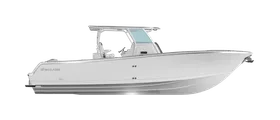
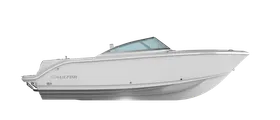
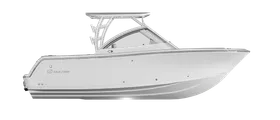
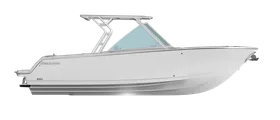
A: Sailfish Dual Console and Center Console models are designed with thoughtful rod storage, ample rod holders, and layouts that protect fishing gear during runs and while at rest. Even so, rod tip guides still take the brunt of impacts, line tension, and repeated casting. Whether you’re fishing from a family-friendly Sailfish Dual Console or a fishing-focused Center Console, the very tip of the rod is exposed and can crack, bend, or break over time.
Q: What exactly is a rod tip guide and why does it matter when fishing from a Sailfish boat?
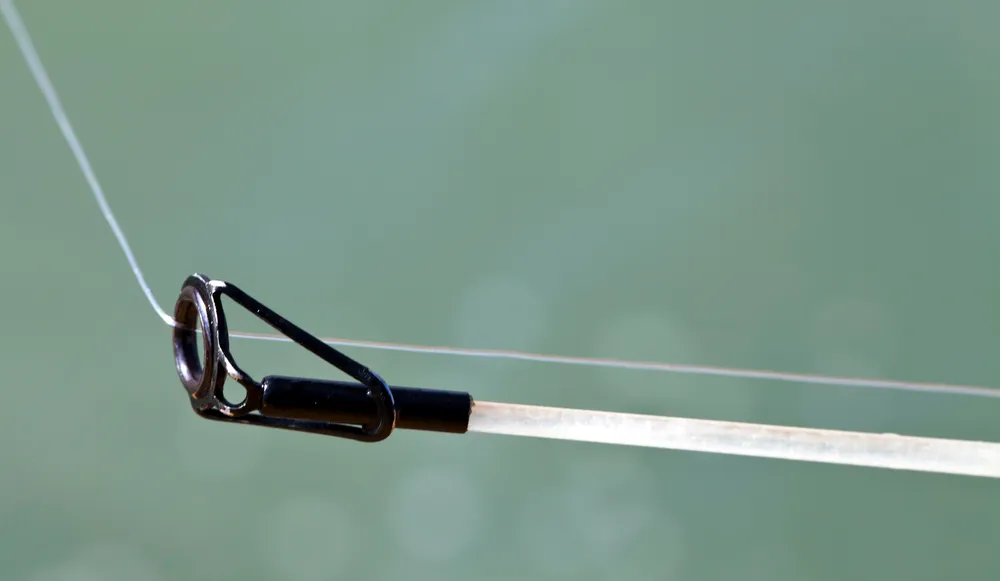
A: The rod tip guide is the small ring at the very end of the fishing rod that controls how line leaves the rod during casting and retrieves under load. When the guide is damaged, fishing line can fray, casting distance can suffer, and line can even snap when fighting fish. Keeping rods in top shape is especially important on Sailfish models that are built for versatility, long casts, and serious time on the water.
Q: Is replacing a damaged tip guide worth it, or should the rod just be replaced?
A: Replacing a damaged tip guide is a simple, low-cost repair that can restore the rod’s original performance. Instead of replacing the entire rod, a properly installed tip guide brings back smooth casting, protects line, and extends the life of your gear—making it a valuable skill for Sailfish owners who fish often.
Q: How is a broken tip guide safely removed without damaging the rod?
A: The remaining tip guide can be gently heated to soften the original adhesive, allowing it to be twisted and pulled off cleanly. The key is controlled heat—just enough to loosen the glue without overheating the rod blank. This is especially important for modern graphite and fiberglass rods commonly used on Sailfish Boats, as excessive heat can weaken the blank.
Q: How do you know which replacement tip guide is the right one?
A: Replacement tip guides are sized by the diameter of the rod tip and the ring size of the guide itself. The correct guide should slide on snugly without force. Matching the guide style to the type of fishing done from your Sailfish —spinning or casting—helps maintain smooth line flow and consistent performance.
Q: What’s the best way to secure the new tip guide in place?
A: A dedicated hot-melt rod tip adhesive or a small amount of two-part epoxy is commonly used. The adhesive is lightly heated, applied inside the guide tube, and the guide is slid onto the rod with a slow twisting motion. Alignment is done immediately by sighting down the rod to ensure the tip guide lines up perfectly with the rest of the guides.
Q: Why is alignment so important after installing a new tip guide?
A: Proper alignment ensures smooth line travel, accurate casting, and even load distribution when fighting fish. On Sailfish boats—where anglers often make long casts while drifting, anchoring, or trolling—alignment plays a direct role in performance and line longevity.
Q: How long should the rod sit before being used again?
A: Hot-melt adhesive sets within minutes, while epoxy requires several hours to fully cure. During this time, the rod should remain still, and alignment should be checked shortly after installation to ensure the guide does not rotate before the adhesive sets completely.
Q: How can you confirm the repair was successful before heading back out on the water?
A: Once cured, a gentle tug confirms the guide is secure. Running fishing line through the new tip guide under light tension ensures the line slides smoothly without catching or scraping. With the repair complete, the rod is ready for more time on the water aboard your boat.
Q: Why is this repair especially useful knowledge for Sailfish owners?
A: Sailfish boats are built to encourage time on the water—whether fishing, cruising, or doing a bit of both. Knowing how to quickly repair a rod tip guide helps keep gear in service, protects fishing line, and ensures fewer interruptions to a great day on the water.
More Fishing Tips: How to Keep Your Reels in Top Condition
Search
Subscribe to The Catch
Latest Post

DESIGN & TECHNOLOGY
Sailfish Care Advice from Professional Detailers
DESIGN & TECHNOLOGY
Center Console: The All-Purpose Boat


Search
Subscribe to The Catch