_1787677131135.png?w=280&format=webp)
DESIGN & TECHNOLOGY
Mastering Flounder Fishing: Tips for Success
Posted:05/19/2026 11:17AM
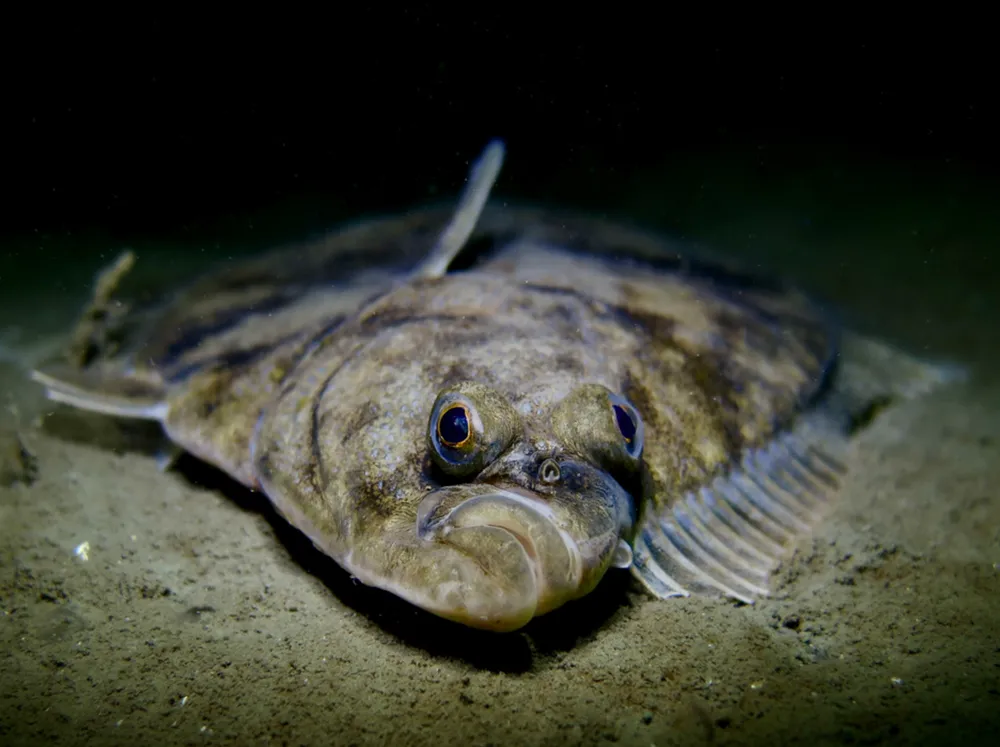
Flounder fishing is one of the most productive and accessible ways to target quality fish along the East Coast, from New England through the Mid-Atlantic and down into Florida. While flounder are common, consistently catching them requires a clear understanding of how they relate to current, bottom structure, and bait movement. These fish are ambush predators, lying flat on the bottom and waiting for an easy meal, which means your success depends on keeping your presentation exactly where they live, tight to the bottom.
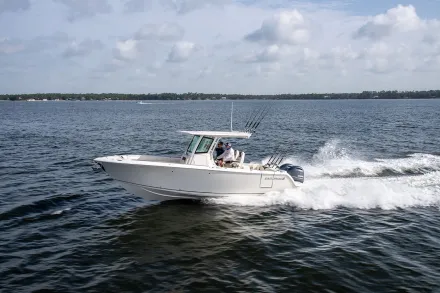
The most effective approach from a boat is controlled drifting. Rather than anchoring and waiting, you want to cover ground by drifting your bait across likely holding areas. The key is boat speed ideally between 0.5 and 1.5 knots. Too fast, and your bait lifts off the bottom and looks unnatural; too slow, and you’re not covering enough water. Wind and tide will dictate your drift, so tools like a trolling motor or drift sock can help slow and stabilize your movement, keeping your presentation in the strike zone longer.
Tide plays a critical role in flounder fishing. Moving water positions bait and triggers feeding behavior, making the incoming and outgoing tides the most productive windows. Focus especially on the first half of the tide cycle, when current is building. Slack tide, when the water stops moving, is typically the slowest period and often not worth fishing unless you’re in an area with consistent current flow.
Flounder relate closely to bottom features, but not always the obvious ones. While docks, bridge pilings, and rock piles are well-known hotspots, some of the best fishing happens along subtle structure like channel edges, drop-offs, sandy depressions, and transitions between sand, mud, and shell. From a boat, positioning your drift so it runs parallel to these features allows your bait to stay in productive water longer and increases your chances of connecting with fish.
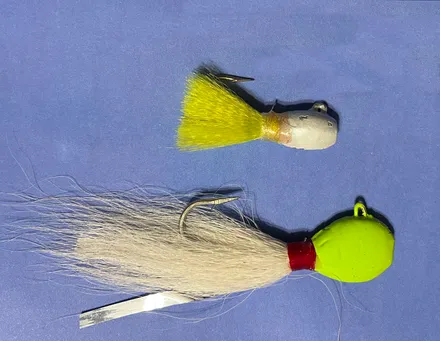
When it comes to rigs and bait, the goal is a natural presentation near the bottom. A simple setup with a bucktail jig tipped with a strip bait or a live bait like minnows, mullet, or squid is highly effective. The key is maintaining contact with the bottom without constantly dragging and light, controlled lifts of the rod tip can help keep the bait moving naturally and trigger strikes.
One of the most important skills in flounder fishing is recognizing the bite and reacting properly. Flounder often hit softly, sometimes just adding weight rather than a sharp strike. When you feel that subtle thump or pressure, resist the urge to set the hook immediately. Give the fish a moment to fully take the bait, then come tight with a steady lift rather than a hard snap of the rod.
By combining controlled boat handling, an understanding of tide and structure, and a disciplined presentation, flounder fishing becomes far more consistent and productive. It’s a methodical style of fishing, but one that rewards attention to detail and when done right, it regularly puts some of the best table fare in the cooler.
Search
Subscribe to The Catch
Latest Post

DESIGN & TECHNOLOGY
Sailfish Care Advice from Professional Detailers
DESIGN & TECHNOLOGY
Center Console: The All-Purpose Boat
Search
Subscribe to The Catch